Greener Retail: The Role of LED Lighting and Energy Efficiency in Shopping Centres

In the race towards sustainability, shopping centres are increasingly adopting energy-efficient solutions to reduce their environmental impact. One of the most effective ways to achieve this is using LED lighting and smart energy management systems. By making these changes, shopping centres can significantly cut both their carbon footprint and operational costs, all while creating a more pleasant environment for shoppers.
In this article, we’ll explore the key role that LED lighting plays in creating greener retail spaces, as well as how other energy-efficient solutions, including smart systems and even modern hand dryers, contribute to an overall reduction in energy use.
Why LED Lighting?
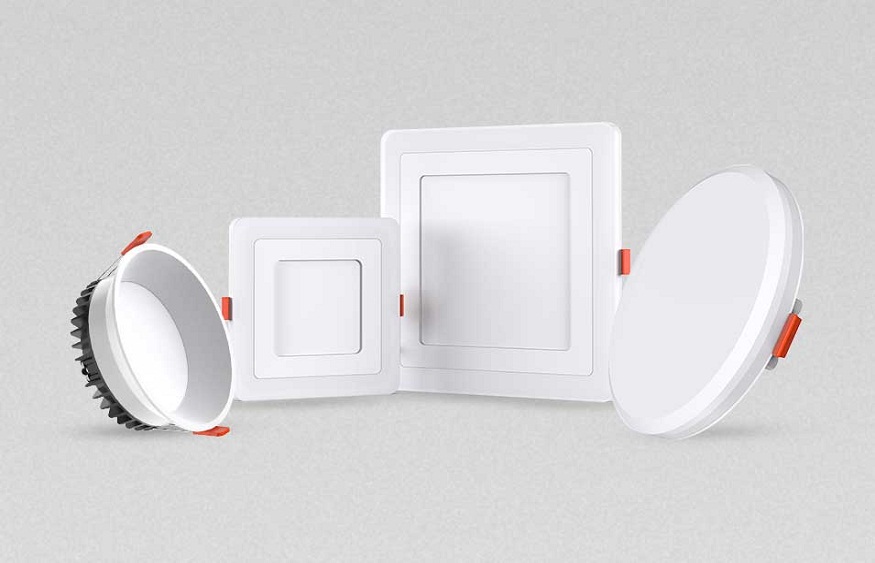
LED (Light Emitting Diode) lighting has become the go-to choice for businesses looking to enhance energy efficiency. Unlike traditional incandescent or fluorescent bulbs, LEDs use a fraction of the energy to produce the same amount of light. For large commercial spaces like shopping centres, this represents a massive opportunity to reduce energy consumption.
Read More :The Complete Guide to Moving Permits and Building Requirements
Energy Savings
On average, LED bulbs use up to 75% less energy than their incandescent counterparts and last much longer. For shopping centres, which often have to keep lighting on for extended periods (sometimes even 24/7), the energy savings from switching to LEDs can be substantial. This reduction in energy use not only cuts electricity bills but also contributes to the overall sustainability goals of the retail space.
Longevity and Durability
Another key advantage of LED lighting is its lifespan. LED bulbs can last up to 25 times longer than traditional light bulbs, which means fewer replacements and lower maintenance costs. For shopping centres, where lighting is a critical component of operations, this durability translates into fewer disruptions and a more reliable lighting system.
Smart Energy Management Systems
While LEDs themselves can drastically reduce energy consumption, integrating them with smart energy management systems takes efficiency to the next level. Smart systems allow shopping centres to monitor and control their energy usage in real-time, ensuring that lighting and other energy-dependent operations are optimised.
Automated Lighting Control
Smart energy management systems can automatically adjust lighting based on factors such as natural daylight, occupancy, and time of day. For instance, during quieter hours or when natural light is plentiful, the system can dim the lights or switch them off entirely in certain areas. This automation ensures that energy isn’t wasted, particularly in areas like car parks, corridors, or underused sections of the shopping centre.
Zoning for Efficiency
Shopping centres are often large, complex spaces with varying energy needs depending on the area. For example, food courts may require more lighting than storage rooms, and public restrooms can benefit from motion-sensor lighting. Smart energy systems can zone different parts of the centre and adjust energy usage based on the needs of each area, reducing waste and ensuring optimal lighting conditions for shoppers.
The Impact of Natural Light
Maximising the use of natural light is another important strategy for reducing energy consumption in shopping centres. Many modern retail spaces are designed with large windows or skylights to allow for an abundance of daylight, cutting the need for artificial lighting during the day.
By pairing natural light with LED systems and smart controls, shopping centres can maintain bright, welcoming environments while significantly lowering energy usage. The combination of natural and artificial light ensures a balance between comfort and efficiency, creating a pleasant shopping experience with minimal environmental impact.
Reducing Carbon Footprint
Shopping centres are major energy consumers, and their carbon footprints can be vast. By incorporating energy-efficient lighting systems and smart controls, retail spaces can drastically reduce their greenhouse gas emissions. LED lighting generates less heat than incandescent bulbs, which means less energy is required for cooling the space—another way to lower the carbon footprint.
Additionally, the longevity of LEDs means fewer resources are used for replacements, further enhancing their environmental credentials. When shopping centres commit to using LED lighting and other energy-saving solutions, they are not only cutting down on operational costs but also contributing to the global push towards reducing carbon emissions.
Modern Hand Dryers: An Overlooked Efficiency
Another often overlooked area in energy consumption is the washroom. Hand dryers are a key element in commercial washrooms, and upgrading to energy-efficient models can make a surprising difference in a shopping centre’s overall energy use. Modern hand dryers are designed to use less power while still delivering fast, effective drying. This not only reduces energy consumption but also eliminates the waste associated with paper towels, aligning with the sustainability goals of a greener retail environment.
Financial Benefits of Energy Efficiency
With energy costs on the rise, reducing consumption through LED lighting, smart systems, and other efficiency measures can save shopping centres a significant amount of money in the long term. The initial investment in LED lighting and smart energy management systems can be recouped through lower energy bills and reduced maintenance costs.
In fact, many governments and local authorities offer incentives or rebates for businesses that invest in energy-efficient solutions, further offsetting the initial costs and making these upgrades even more appealing for shopping centre operators.
Enhancing the Shopper Experience
Energy efficiency doesn’t just benefit the environment and the bottom line; it can also enhance the shopper experience. LED lighting provides brighter, clearer illumination, making shopping spaces more inviting and comfortable. The longevity and reliability of LEDs ensure that there are fewer disruptions caused by lighting failures, creating a seamless experience for visitors.
Similarly, smart lighting systems can be adjusted to create different atmospheres depending on the time of day, special events, or seasonal changes, providing a dynamic and engaging environment for shoppers.
For wider commercial, hospitality, or public-facing projects, small supporting details can make the finished space feel more complete. Composite decking can provide a durable, low-maintenance surface for terraces, entrances, outdoor seating areas, and customer-facing spaces; while traditional signage can add character, direction, and brand presence; while digital signage can share changing information, promotions, menus, or wayfinding updates clearly.
Conclusion
Greener retail spaces are not just a trend; they are becoming a necessity as the world moves towards sustainability. Shopping centres that adopt energy-efficient solutions such as LED lighting and smart energy management systems can significantly reduce their carbon footprints while enjoying lower operational costs.
Read More : Industrial Power Station Solutions for Temporary Job Site Power
Incorporating modern hand dryers and other efficiency measures into the washroom also contributes to the overall goal of creating a more sustainable shopping environment. By investing in these technologies, shopping centres can enhance both their environmental impact and the shopper experience, paving the way for a more sustainable future.